Winter to spring transition
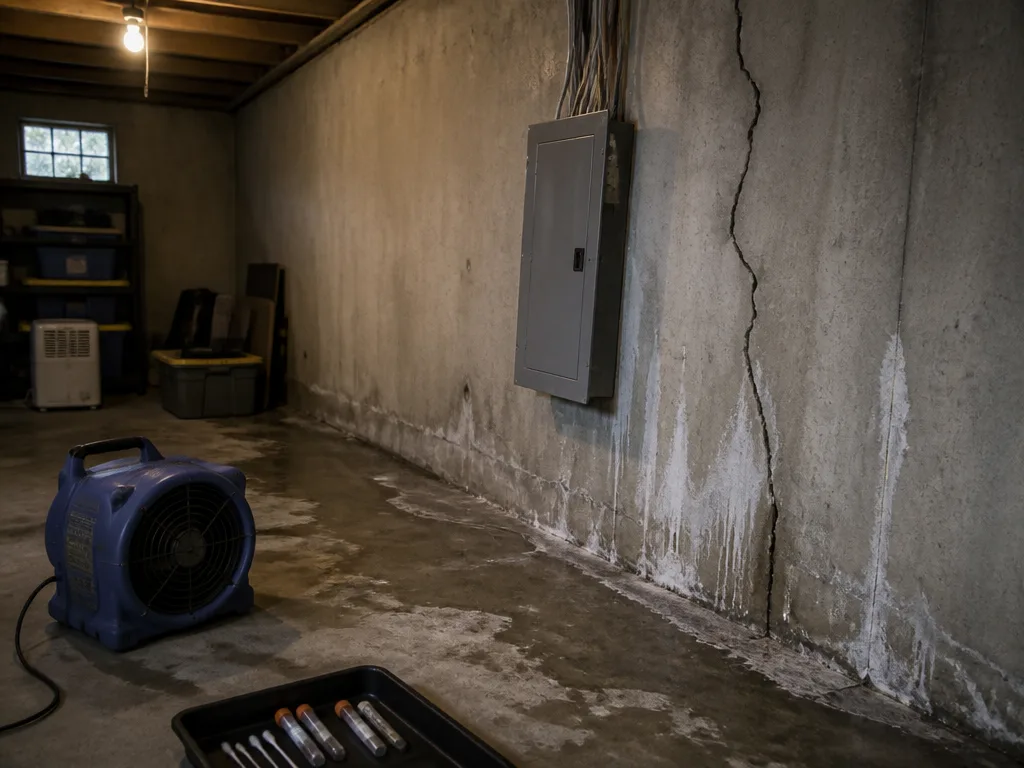
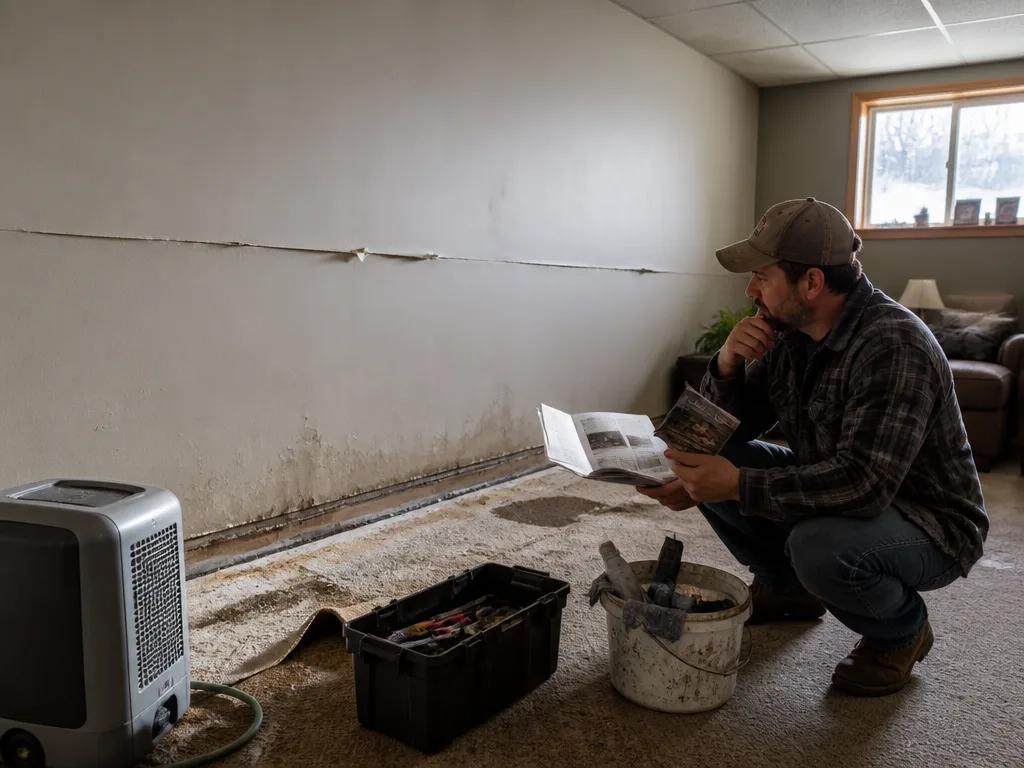
Winter can drive moisture into hidden places as pipes shift and heating cycles run longer. When spring arrives, thaw cycles and rain can release that moisture in new ways. Our statewide crews advise starting with a light moisture check around entrances, basements, and crawl spaces. If you notice dampness or a musty odor, it’s a good moment to bring in a restoration specialist for a thorough review across Minnesota.
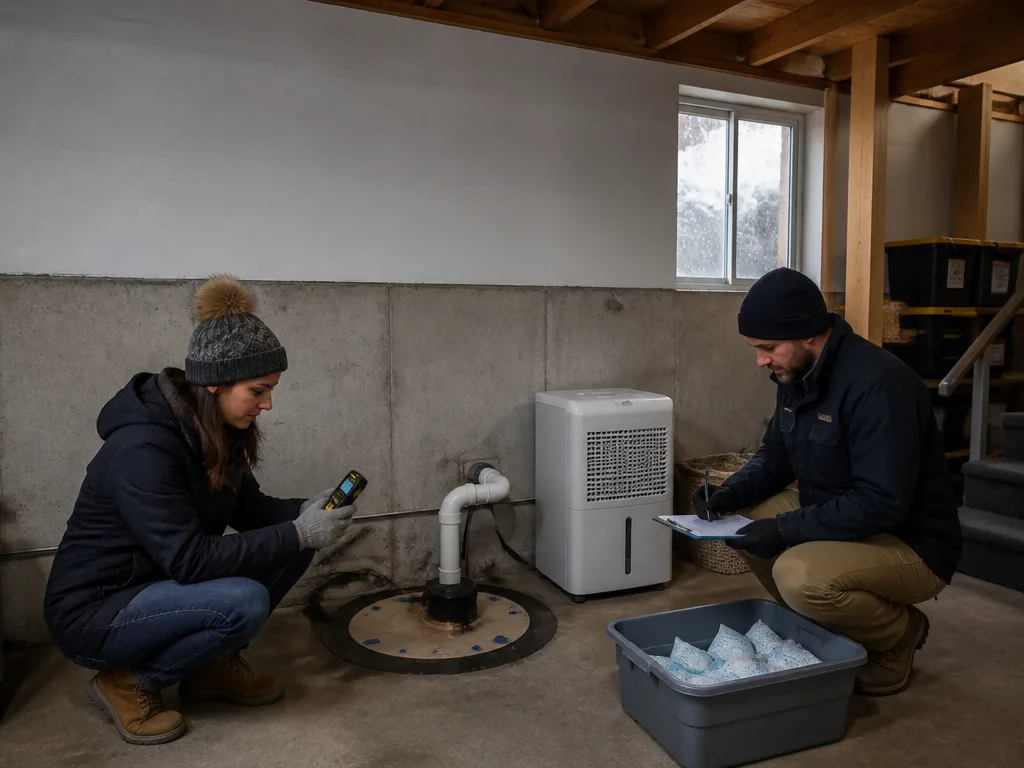
During this transition, maintain consistent drying conditions indoors. Use a dehumidifier in basements and enclosed areas, and ensure gutters and downspouts direct water away from your foundation. Small proactive steps add up when you’re serving all corners of Minnesota.
Summer heat and humidity management
Humidity spikes can push moisture into walls and floors. Keep interior relative humidity levels around 40 to 50 percent if possible. Use fans to improve air circulation and consider a moisture barrier for basements in regions with higher humidity. If you detect condensation on walls or damp patches that persist, call a restoration specialist for a statewide assessment.
Maintenance tips include inspecting window seals, checking your sump area if you have one, and staying mindful of unusual rustling noises or changes in floor softness. Minnesota crews can tailor a plan that fits your home’s design and your local climate realities.
Before the first snowfall
Winter prep matters. Seal known drafts, insulate exposed pipes in unheated spaces, and clear any drainage paths around your home. A little prevention goes a long way in Minnesota where cold snaps and thaws are a regular pattern. If you’re unsure about whether a space needs protection, a quick call to a restoration specialist can save bigger headaches later in the season.
Seasonal quick-start checklist
- Inspect basements and crawl spaces for dampness
- Check exterior seals around windows and doors
- Keep a box of basic cleaning supplies and a fan handy for quick drying